Great Lakes Industrial Decarbonization
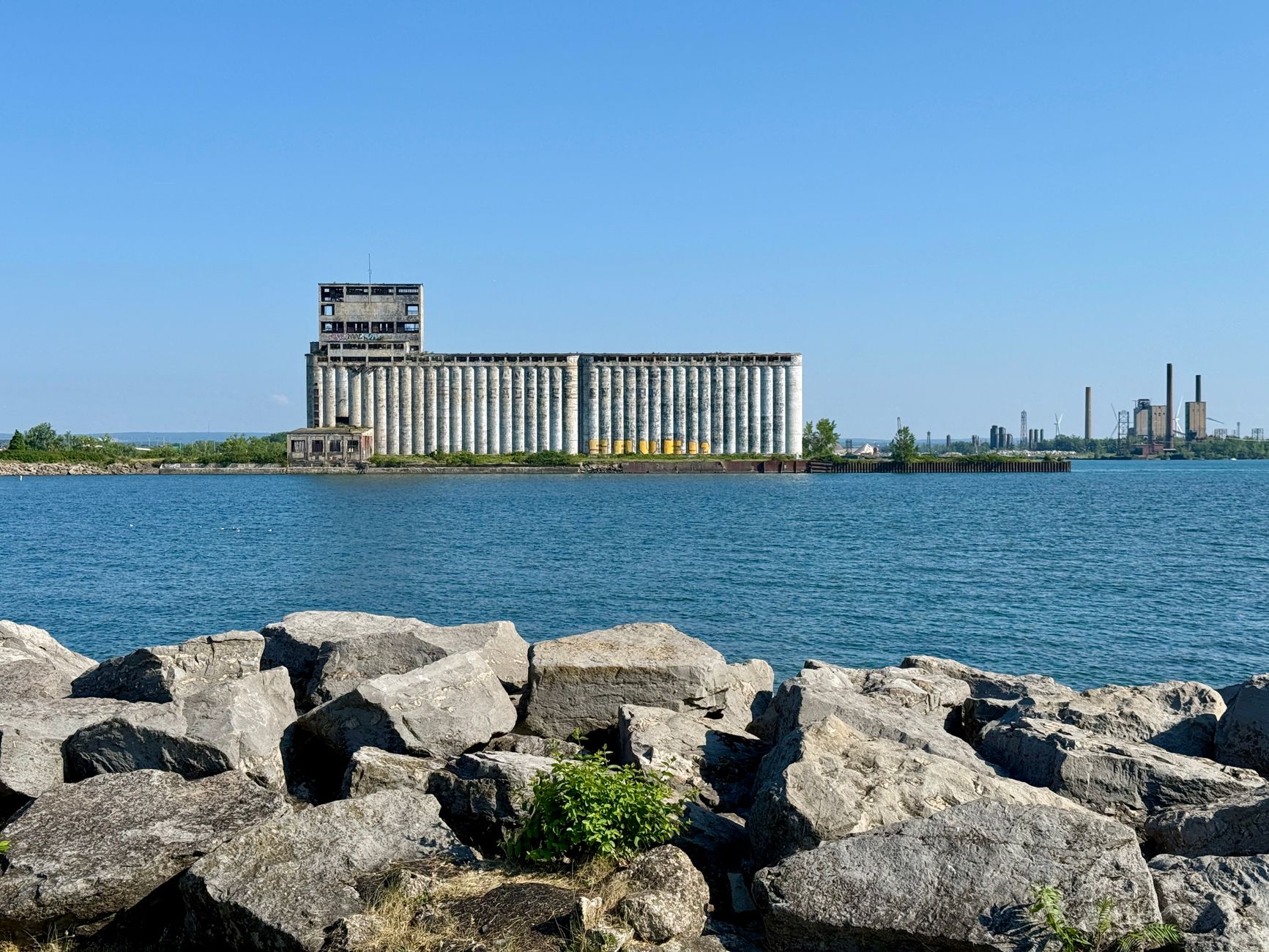
The Great Lakes region is a vital hub for industrial logistics in North America. This guide explores the integration of industrial decarbonization efforts into the existing logistics infrastructure, ensuring that the region remains a leader in sustainable industrial practices.
Industrial Decarbonization
Industrial decarbonization involves the implementation of technologies and practices that reduce greenhouse gas emissions in industrial processes. This includes the use of renewable energy sources, energy-efficient equipment, and carbon capture and storage technologies.
- Renewable Energy: Utilizing wind, solar, and hydroelectric power to reduce reliance on fossil fuels.
- Energy-Efficient Equipment: Investing in advanced machinery that consumes less energy and produces fewer emissions.
- Carbon Capture and Storage: Implementing technologies to capture and store carbon dioxide emissions from industrial processes.
Integration with Great Lakes Logistics
Integrating industrial decarbonization efforts with the existing Great Lakes logistics infrastructure requires careful planning and coordination. Here are some strategies to achieve this:
- Renewable Energy Infrastructure: Developing renewable energy sources along key logistics routes to power industrial equipment and facilities.
- Energy-Efficient Transportation: Utilizing electric and hybrid vehicles for transporting industrial equipment, reducing emissions from the transportation process.
- Carbon Capture and Storage Facilities: Establishing carbon capture and storage facilities at key industrial hubs to capture and store emissions from industrial processes.
Case Study: Industrial Decarbonization in the Great Lakes
Consider a scenario where a manufacturing plant in Michigan aims to reduce its carbon footprint. The decarbonization efforts would include:
- Investing in renewable energy sources, such as wind and solar power, to reduce reliance on fossil fuels.
- Upgrading to energy-efficient machinery and equipment to reduce energy consumption and emissions.
- Implementing carbon capture and storage technologies to capture and store emissions from industrial processes.
- Utilizing electric and hybrid vehicles for transporting industrial equipment, reducing emissions from the transportation process.
- Collaborating with local logistics providers to integrate decarbonization efforts into the existing logistics infrastructure.
Conclusion
Integrating industrial decarbonization efforts into the Great Lakes industrial logistics infrastructure is essential for ensuring that the region remains a leader in sustainable industrial practices. By implementing renewable energy sources, energy-efficient equipment, and carbon capture and storage technologies, businesses can reduce their carbon footprint and contribute to a more sustainable future.